
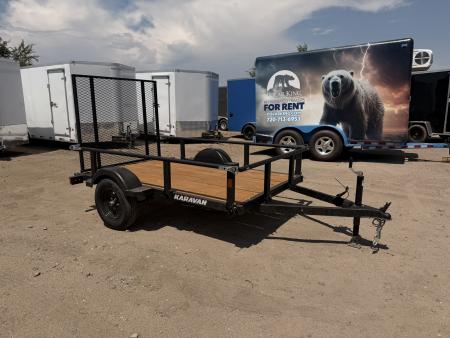
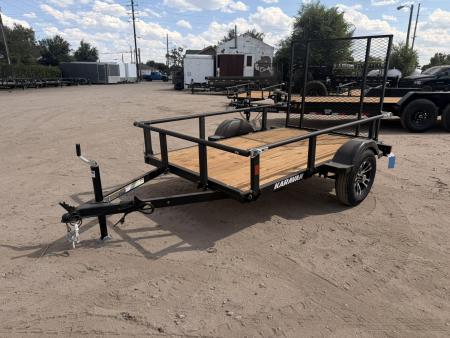
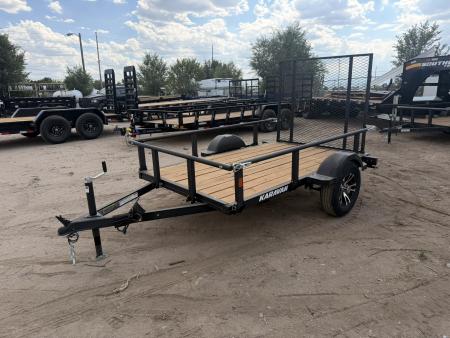
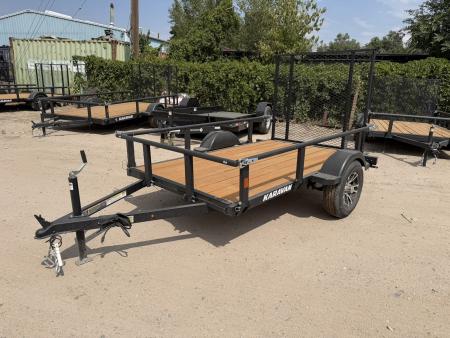
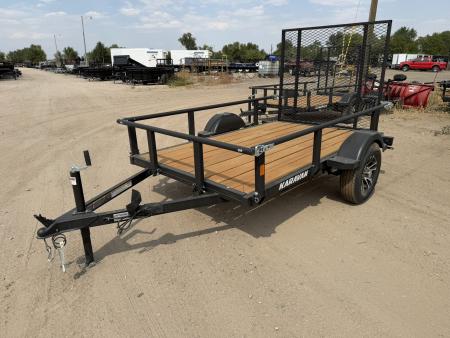
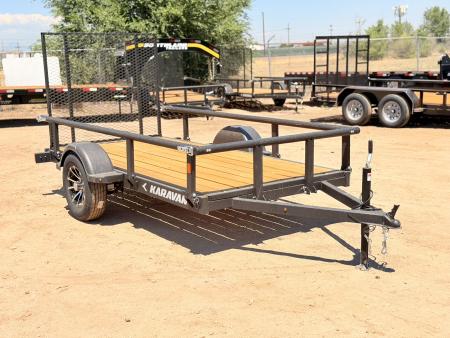
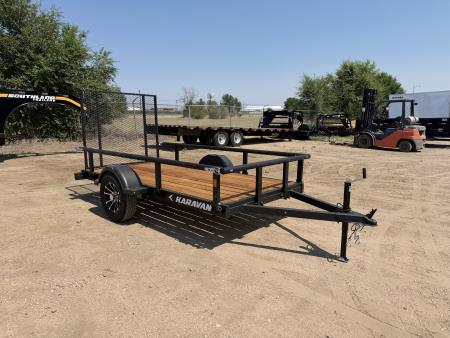
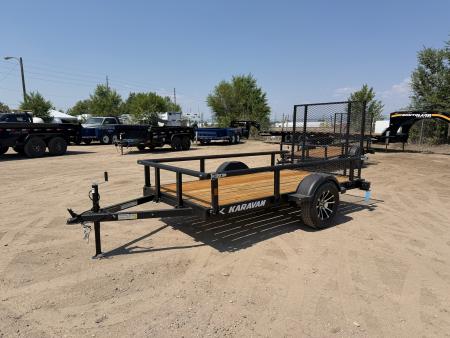
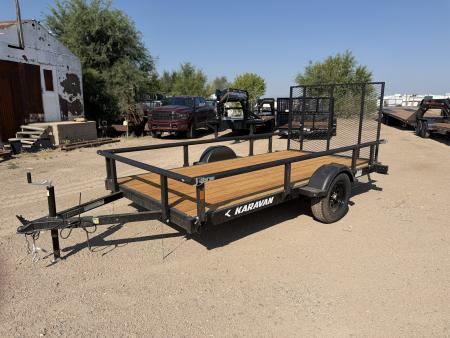
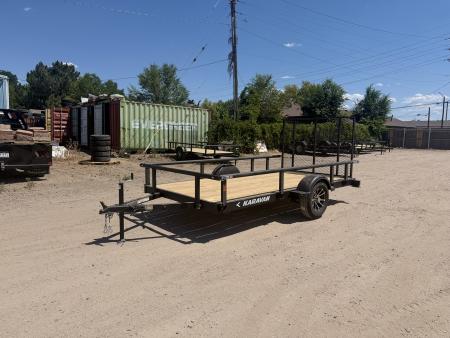
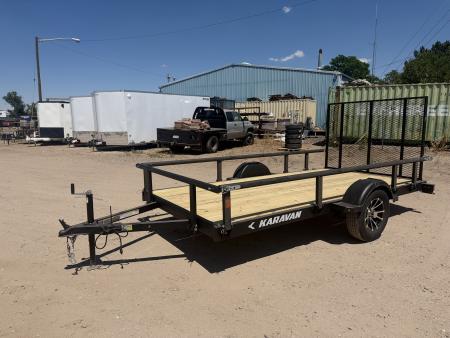
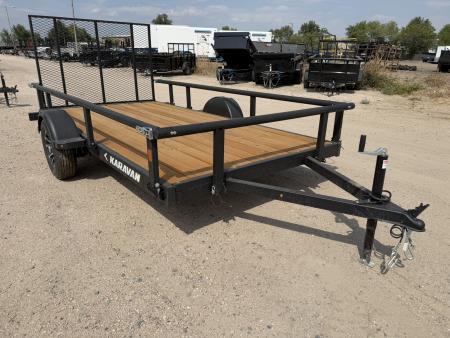
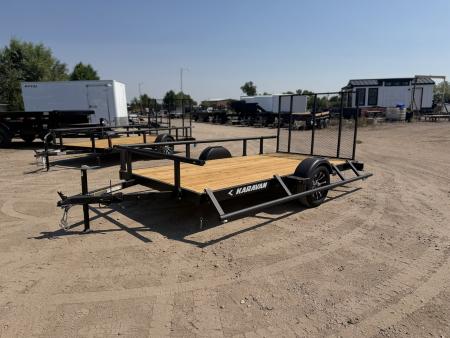
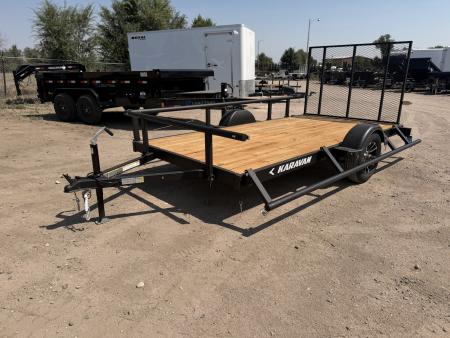
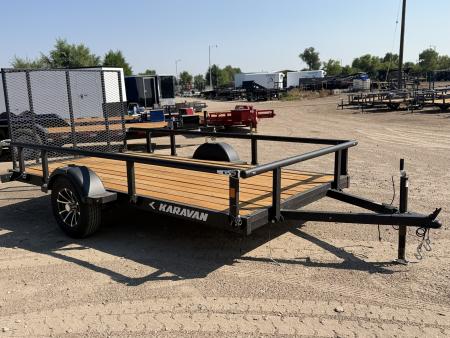
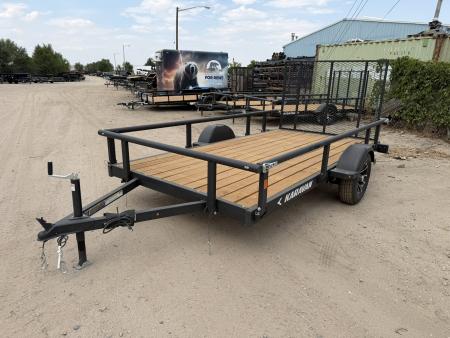
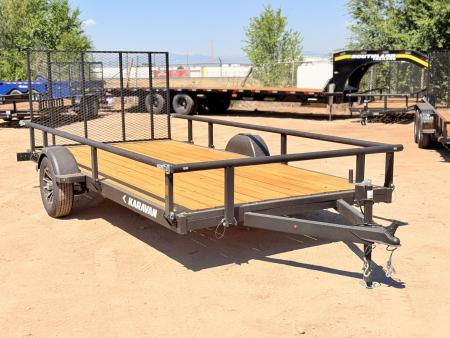
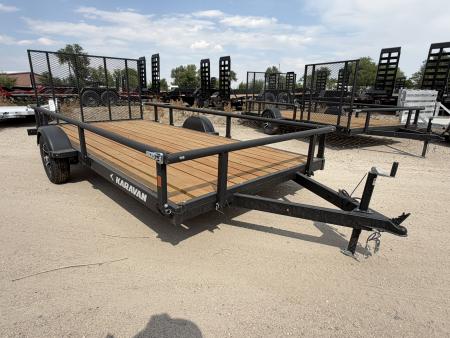
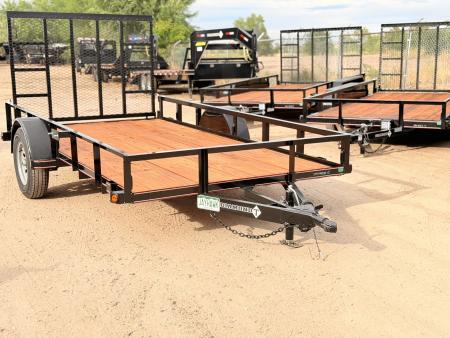
Utility Trailers for Sale in Denver, Colorado
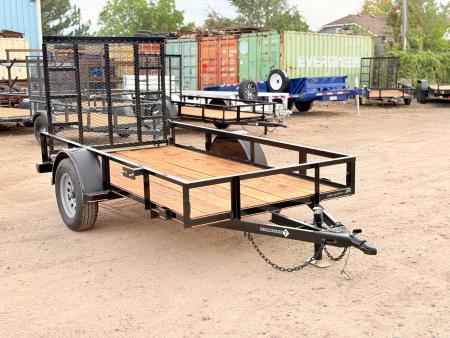
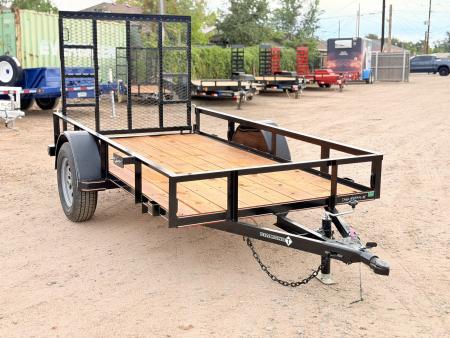
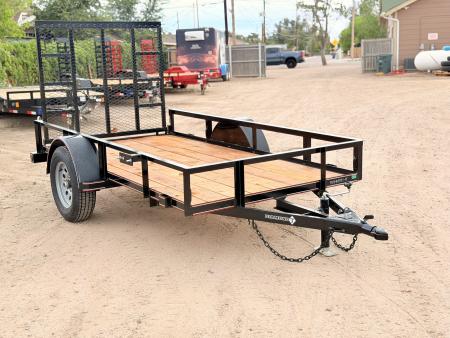
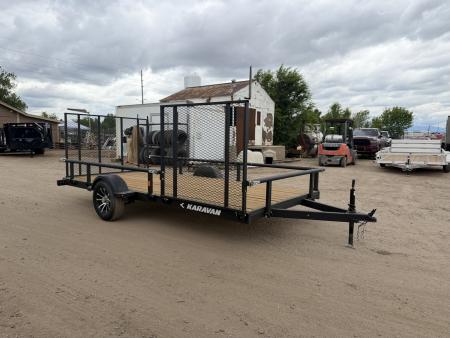
A utility trailer is the open-deck workhorse: ramp gate at the back, fold-down or fixed sides, and a deck you can load from any angle. Most of what sits on our lot is single-axle in the 5×8 to 6×12 range, sized for a mower, an ATV, yard debris, or helping somebody move. Inventory turns over constantly, so if the size you want is not showing above, call (303) 286-7293 and we will tell you what is coming in. Each listing shows whether that trailer is at our Commerce City lot or the Truck Center in Fort Lupton.
Picking a Size
Deck length is the decision most people get wrong, usually by buying too small. Measure the longest thing you expect to haul and add two feet. A trailer you never fill is a minor annoyance. A trailer that is six inches short is useless for the one job you bought it for.
5×8
The driveway trailer. Fits a riding mower, a couple of dirt bikes, or a load of branches, and it still tucks alongside a garage when you are done. Light enough that most SUVs and half-tons will not notice it back there.
5×10
Two more feet of deck for not much more trailer. This is the size that handles the mower plus the rest of the crew gear, or a move where the couch is the problem.
6×12
The size most people end up on. Wide enough to load a UTV or a pallet without threading a needle, long enough for lumber and landscape material. If you are torn between this and a 5×10, buy this one.
Single Axle or Tandem Axle?
Single axle is lighter, easier to push around by hand in a tight driveway, and cheaper to maintain — one set of tires, one set of bearings. Tandem axle rides steadier at highway speed, carries more, and keeps you moving if a tire lets go. If the trailer stays in town hauling yard and hobby loads, single axle is plenty. If it is going up I-70 loaded, go tandem. Browse them separately as single-axle utility trailers or tandem-axle utility trailers, and if you are hauling ATVs or UTVs specifically, start with the ATV trailers.
Steel or Aluminum?
Steel is the default here and it is the right call for most buyers: cheaper up front, more forgiving of job-site abuse, and weldable if you bend something. Aluminum earns its premium when weight matters or the trailer lives outside year-round, because the magnesium chloride Colorado puts on winter roads is hard on steel frames and fasteners. If that sounds like your situation, compare the aluminum trailers before deciding. And if the load is a skid steer or a tractor rather than a mower, you want an equipment trailer instead.
Utility Trailer Questions, Answered
What size utility trailer do I need?
Measure the longest item you expect to haul and add about two feet. A 5×8 covers a riding mower or a couple of dirt bikes, a 5×10 adds room for crew gear, and a 6×12 handles a UTV, pallets, or lumber. Most buyers who regret a purchase bought too short, not too long.
Should I get a single-axle or tandem-axle utility trailer?
Single axle is lighter, easier to maneuver by hand, and cheaper to maintain. Tandem axle tows steadier at highway speed, carries more weight, and stays controllable if a tire fails. In-town yard and hobby hauling suits single axle. Loaded highway and mountain driving suits tandem.
Can I tow a utility trailer with an SUV or a half-ton truck?
Usually yes for the smaller single-axle trailers, but check your vehicle owner manual for its tow rating and hitch class first, and remember the load counts too, not just the empty trailer. Bring your vehicle by the lot and we will help you match it.
What is the difference between a utility trailer and an equipment trailer?
A utility trailer has a lighter frame and a ramp gate, built for mowers, ATVs, furniture, and yard loads. An equipment trailer is heavier, rated for higher GVWR, and usually has fold-down or slide-in ramps for machinery like skid steers and tractors.
Do you carry aluminum utility trailers?
Yes. Aluminum utility, tilt, and enclosed units are grouped together on our aluminum trailers page. Aluminum weighs less and will not rust, which matters if the trailer is stored outside through Colorado winters.