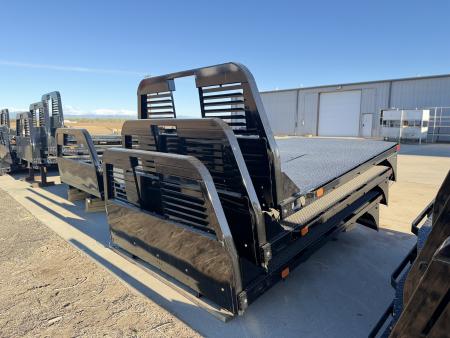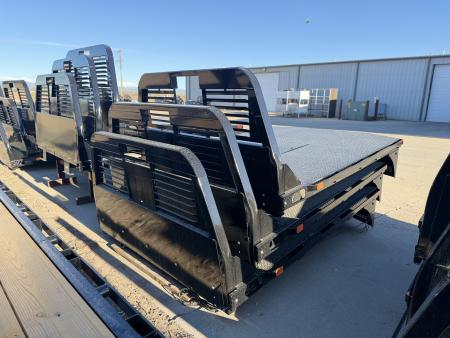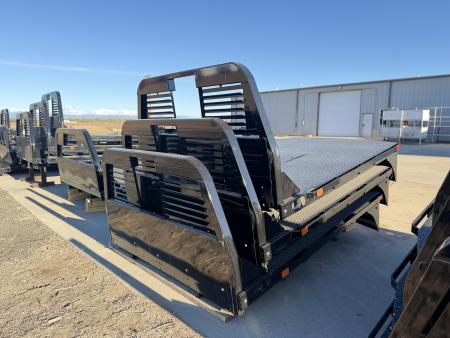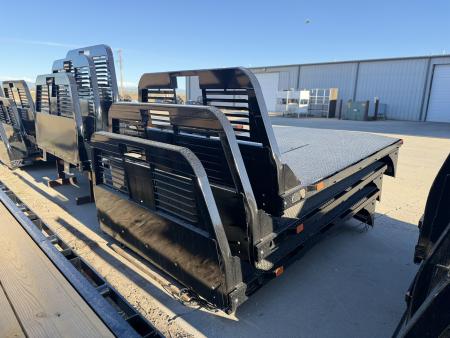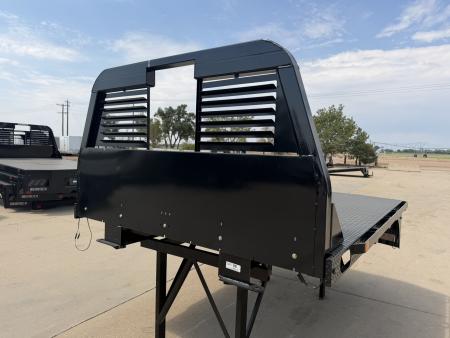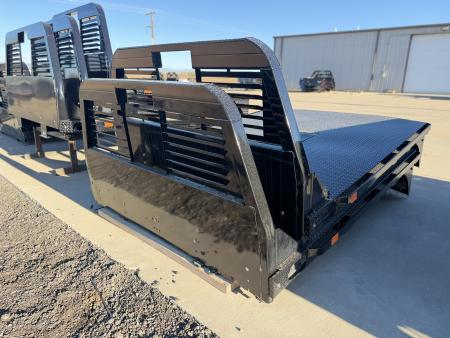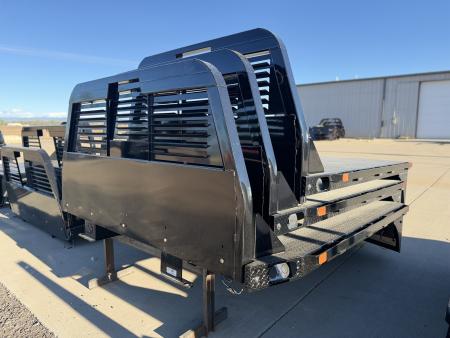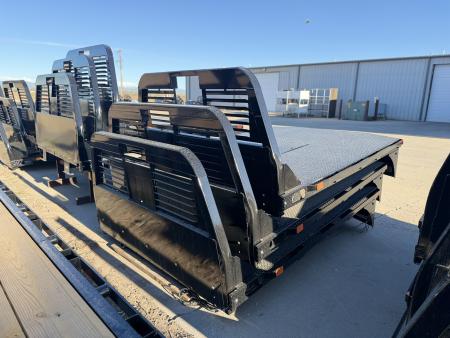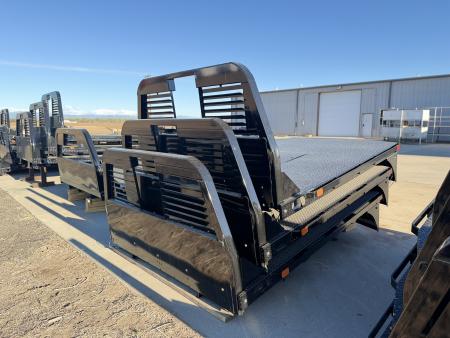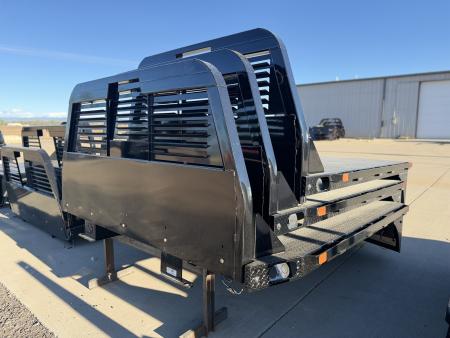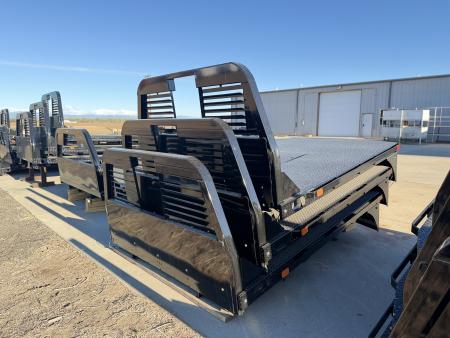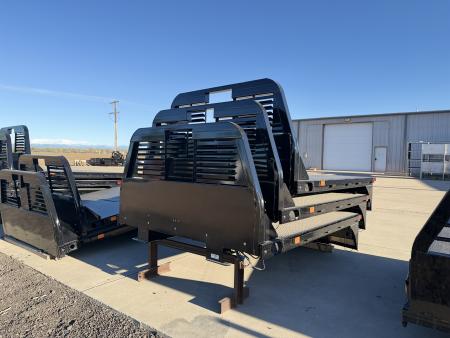
Aluminum Truck Beds
An aluminum bed does one thing better than anything else on the market: it takes weight off the back of the truck without giving up deck space. On a one-ton dually that is already carrying a gooseneck hitch, a headache rack and a full toolbox, a few hundred pounds saved at the rear axle is payload you get back for the job.
Jayhawk Trailers stocks aluminum beds across our Denver metro and northern Colorado locations, alongside the steel beds most crews still run. Which one is right depends less on preference than on what the truck does all week.
Where aluminum earns its keep
Weight is the obvious one. The less obvious advantage is corrosion. Colorado roads get heavily treated through the winter, and magnesium chloride is hard on steel in a way that shows up in the third or fourth season, usually along the underside and the welds you never see. Aluminum does not rust, which matters most on a truck you intend to keep.
There is a resale argument too. An aluminum bed that has spent five winters on the Front Range generally presents better than a painted steel one, and bed condition is one of the first things a buyer looks at on a used work truck.
What to weigh before you switch
Aluminum costs more up front than comparable steel, and it behaves differently under abuse. Steel takes a dent and keeps working. Aluminum is more likely to crack than deform under a sharp, concentrated impact, and repairs need a shop that welds aluminum properly. If the truck spends its life hauling rebar and getting loaded by whoever is closest to the forklift, steel may still be the honest answer.
For hotshot operators, service fleets, ranch trucks and anyone watching payload against a gross weight limit, aluminum usually pays for itself.
What we stock
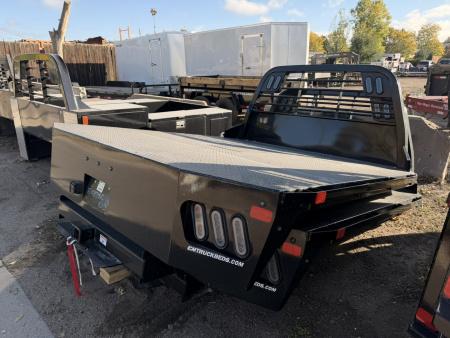
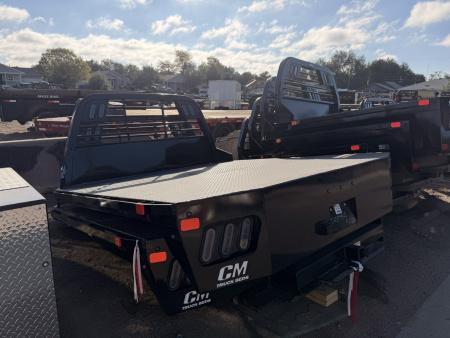
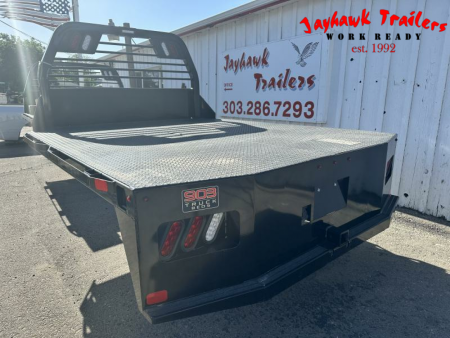
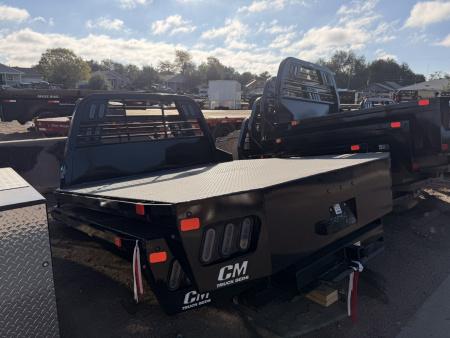
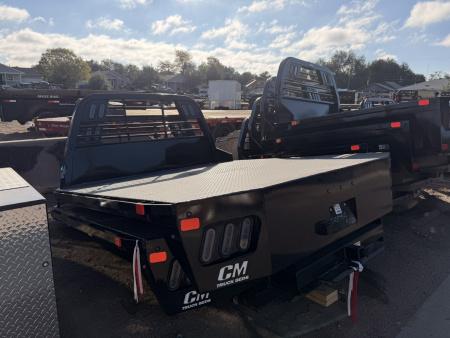
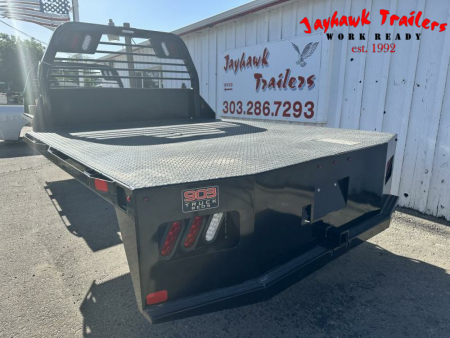
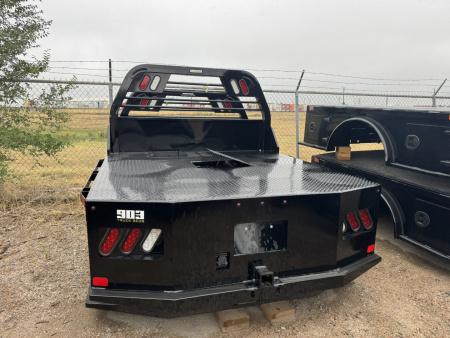
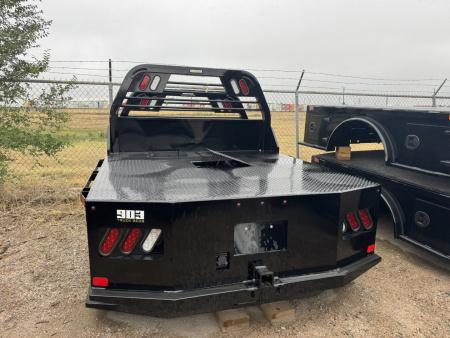
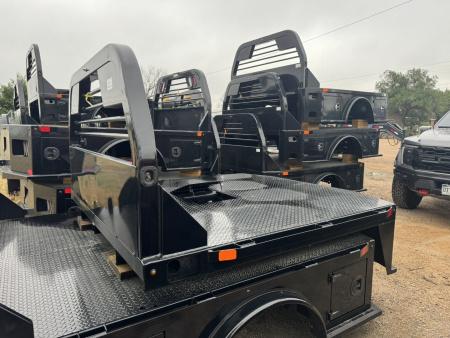
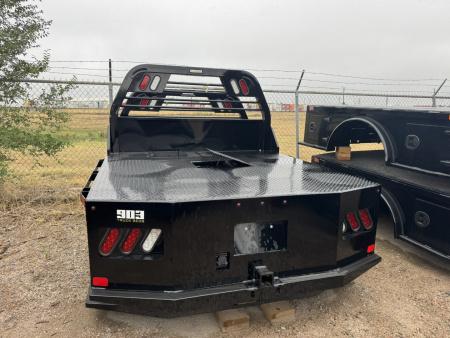
Our aluminum inventory comes primarily from CM Truck Beds, whose aluminum models mirror their steel lineup in layout and mounting so you can compare the two directly. We also carry steel beds from 903 Truck Beds and Bedrock, which is worth knowing if you are cross-shopping material rather than brand.
Fitment
Before we can tell you what fits, we need the year, make and model of the truck, whether it is a single rear wheel or dually, and the cab-to-axle measurement. Cab-to-axle is the one most people have to go measure — it is the distance from the back of the cab to the centerline of the rear axle, and it determines bed length more than the truck badge does. Call either store and we will walk you through it.
Common questions
Is an aluminum bed strong enough for real work?
Yes. Aluminum beds are built to carry the same loads as their steel counterparts; the alloys and structural design account for the difference in material. The distinction is in how each handles damage, not in rated capacity.
How much weight does aluminum actually save?
It varies by model and length, so we would rather give you the real figure for the specific bed you are considering than a number that sounds good in a brochure. Ask us and we will pull the spec.
Can you install it?
Yes — our service department handles bed installation. Call ahead so we can schedule it and have the mounting hardware your truck needs.
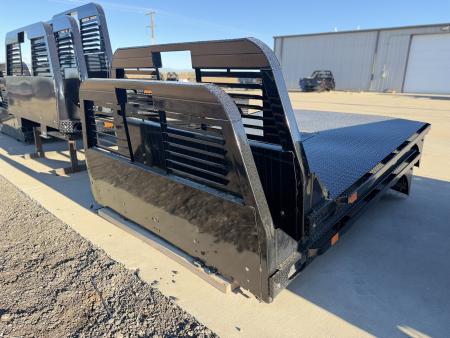
Do you have aluminum flatbeds as well as skirted beds?
Stock changes constantly. Both configurations come through, so call for current availability rather than going by what is on the website at any given moment.
See them in person
Truck beds are stocked at both Jayhawk locations — Commerce City at 5591 E. 72nd Ave. and the Truck Center in Fort Lupton at 12524 County Road 25 1/2. Call Commerce City at (303) 286-7293 or Fort Lupton at (970) 303-9057 to check what is on the ground before you drive out, or send us a message and we will confirm. Financing is available, and our service department handles parts and installation work.
Browse everything currently in stock on our truck beds page.